Home 2025 2024 2023 2022 Archive About

The Ripple Effect
Montana’s tribes wield sovereignty amid a changing federal landscape
The Ripple Effect
Two thousand miles away from D.C., the impacts of federal decisions are felt across Montana’s tribal nations. From shifts in federal funding, to court rulings and executive orders, these changes are sending ripple effects across Indian Country, redefining the political landscape tribes are forced to navigate.
For Montana’s tribes, there are impacts to everything from natural resource management to health care and education. While federal policy has long influenced life for tribal nations, rapid changes are forcing tribes to respond in real time. Tribal sovereignty remains the foundation of that response: inherent and enduring, yet dynamic, as tribes exercise their autonomy to protect their communities and adapt to shifting federal priorities.
Students in the Native News Honors Project traveled across Montana to understand how tribal nations are exercising their sovereignty in response to decisions made in Washington D.C. Across the state, they found tribes navigating complex and often immediate challenges. On the Blackfeet reservation, leaders are working to support tribal citizens navigate the challenges of increased federal border enforcement reshaping travel and daily life.
We hope you enjoy this issue. Read more of the opening here…

Facing the nuclear renaissance
Tsis tsis’tas under nuclear pressure amid government disarray

CULTURE, CONNECTION AND CARE
How the Little Shell Tribe’s cultural program is working for the future(LS)

VEINS OF THE RIVER
The Fort Belknap tribes’ water rights stagnate in the House (BELKNAP)

SOUTH OF THE PIPELINE
A Keystone XL revival reignites a decades old oil fight (PECK)

ON THE BOARDER
The bonds of the Siksikaitsitapi tribes have always existed outside physical borders. Federal policy has threatened those ties(BF)
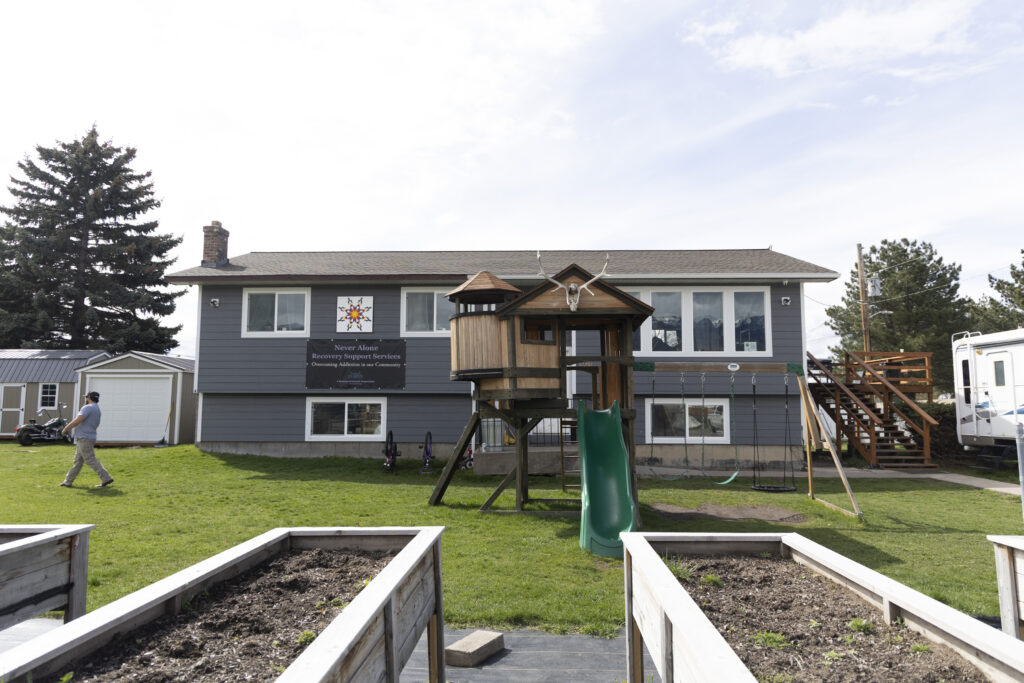
A FRESH FOUNDATION
The Salish and Kootenai Tribes develop housing outlook(FH)

RACE TO REPRESENT
Indigenous candidates stake claims on the ballot this year (U)

RESOLVING HUNGER, NURTURING TRADITION
Traditional food programs combat hunger for Chippewa Cree (RB)
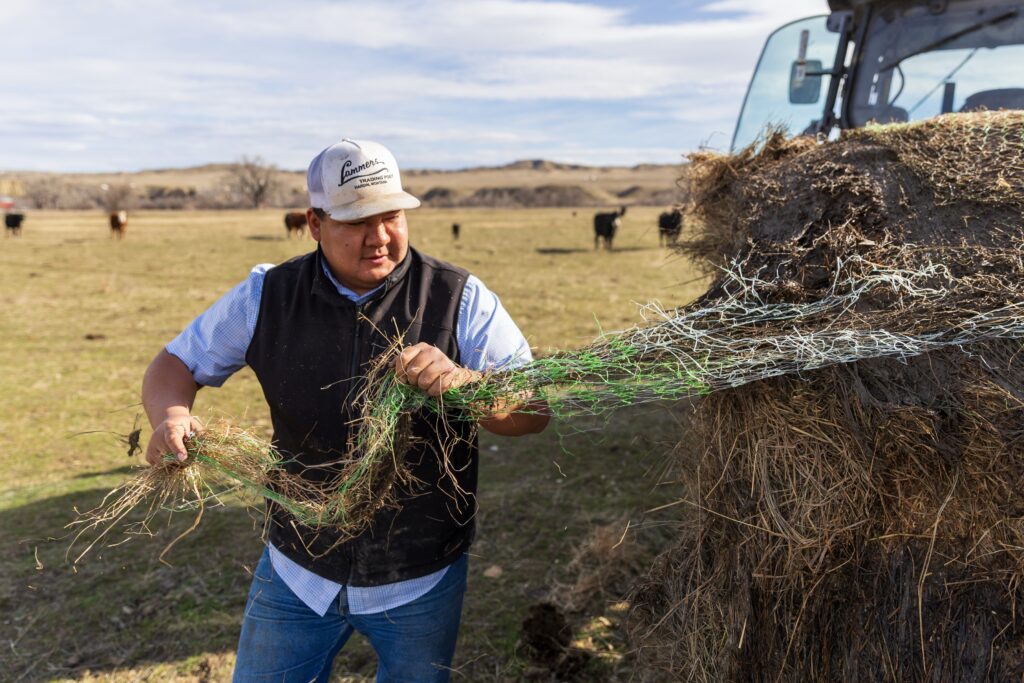
FORGING A FUTURE AFTER COAL
1,000 jobs lost: income shift from coal for Apsáalooke (CROW)
Download PDF version

Acknowledgments
The Native News Honors Project is reported, photographed, edited and designed by students at the University of Montana School of Journalism. This is the 35th annual edition.
The team appreciated the advice received from Nora Mabie, Indigenous affairs reporter at the Montana Free Press and Alex Miller, Capitol Hill reporter at Fox News Digital.
Funding support for the 2026 publication and the website came from the UM School of Journalism. The students of Jessica Vizzutti’s Print, Web Editing and Design class managed the project’s website design.
We also appreciate Hagadone Media Montana for working with us to make the print publication possible.
If you have comments about the project, email Jason Begay at nativenewsproject@gmail.com or write to Native News, School of Journalism, 32 Campus Drive, Missoula, MT 59812.
We would love to hear from you if you enjoyed or have thoughts about the Montana Native News Honors Project.

