facing a Nuclear Renaissance
Tsis tsis’tas under nuclear pressure amid government disarray
Story by Marly Graham | Photos by Coral Scoles-Colburn
Pacing across the carpet patterned with the neon stars inside a bingo hall, the executive director of Honor the Earth gripped a microphone in one hand and a stack of papers in the other. She wore a white blazer over a pale green shirt that read, “Ask Your Auntie, Not A.I.”
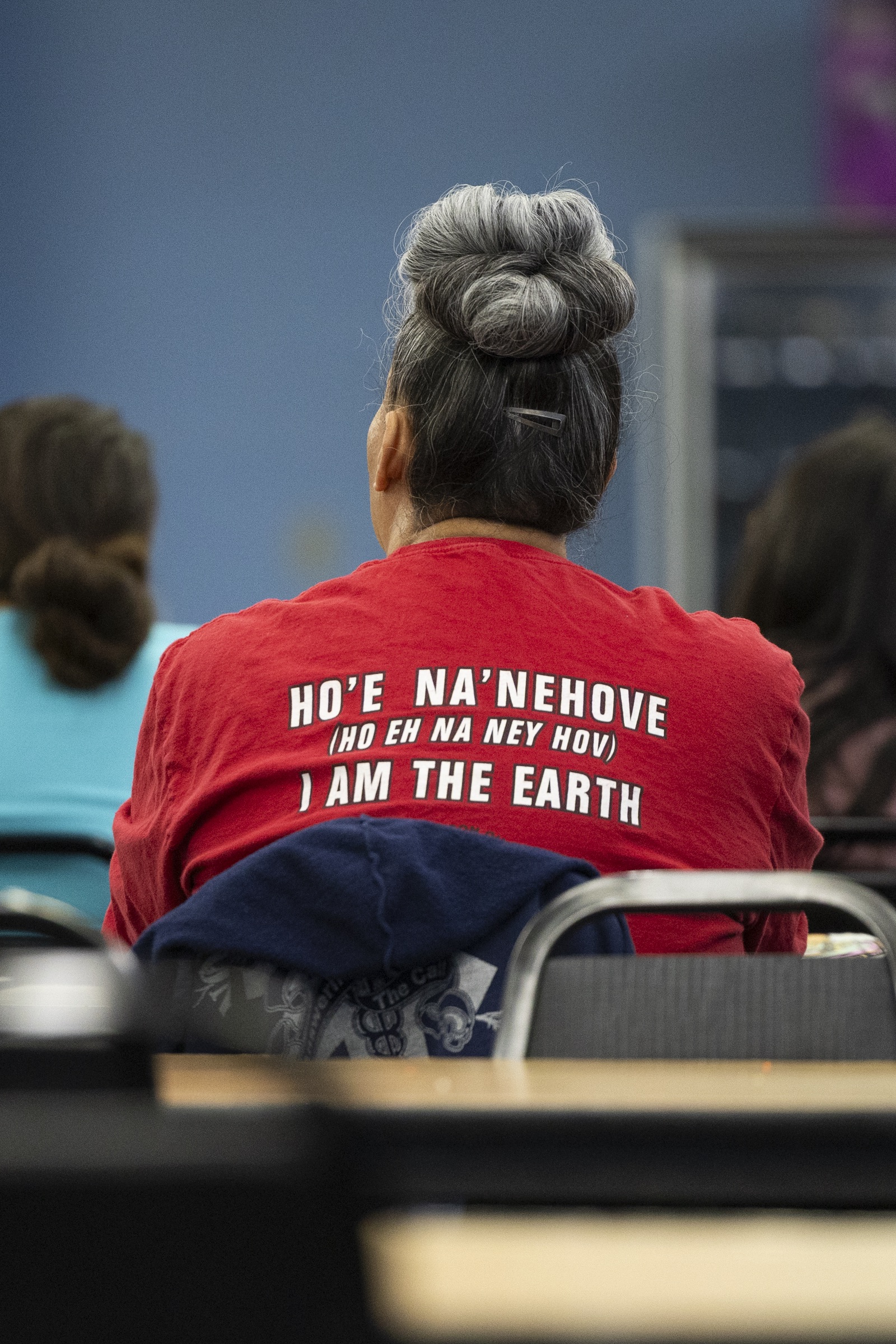
This meeting was one of several in Montana that Honor the Earth, an environmental organization based out of Lame Deer on the Northern Cheyenne Indian Reservation, has held to inform the public about the developments of power plants on the reservation. Organizers hand out packets of research titled “The AI-Nuclear Connection,” and “Data Centers: Myth vs. Fact,” among others, all to inform tribal members like the Tsis tsis’tas of the proposals now at their doorstep.
Enlarge
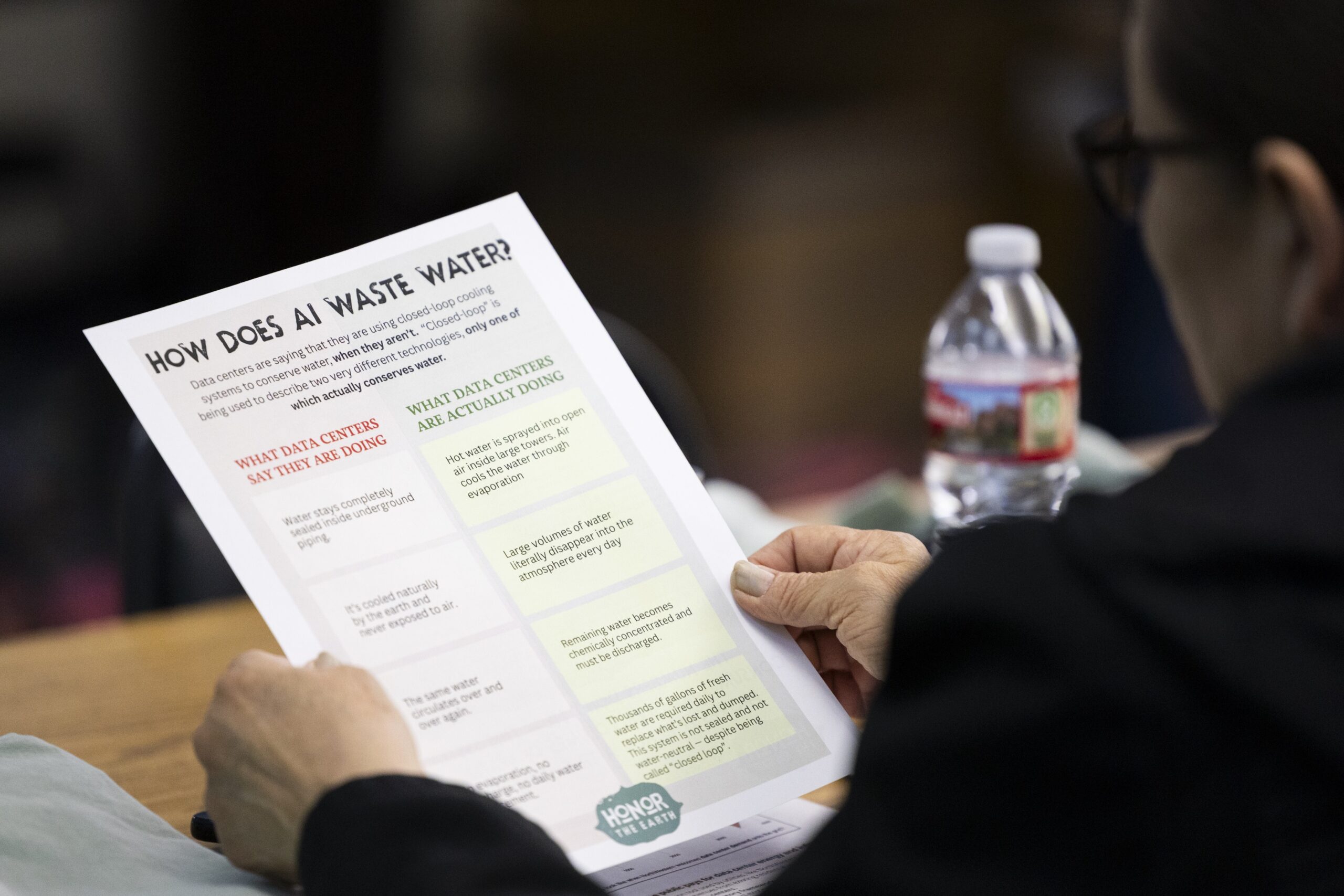
“At the end of the day, all of this is about corporations making money for themselves, not about what’s best for us, not about what’s going to be good for our future,” Krystal Two Bulls said.
In May 2025, President Donald Trump announced four executive orders aimed at revitalizing the U.S. nuclear energy industry by modernizing regulations and accelerating reactor development, including efforts to fast-track three advanced reactors for deployment by July 4.
As energy demand grows in Montana, driven in part by proposed data centers, attention has turned to the Colstrip Power Plant just outside of the Northern Cheyenne reservation. But ongoing internal governance disputes have made it difficult for tribal leadership to present a unified response, even as residents and community members continue to raise concerns over land, water and public health.
Enlarge

While no nuclear facility has been formally approved for Colstrip, discussions about Montana’s energy future increasingly include both nuclear power and the growing demand for proposed data centers. In June 2025, the Southeastern Montana Development Corporation completed a Colstrip Power Plant Feasibility Study and found no deterrents for a nuclear power plant in the area, an outcome that has sustained ongoing conversations about what such a project could look like.
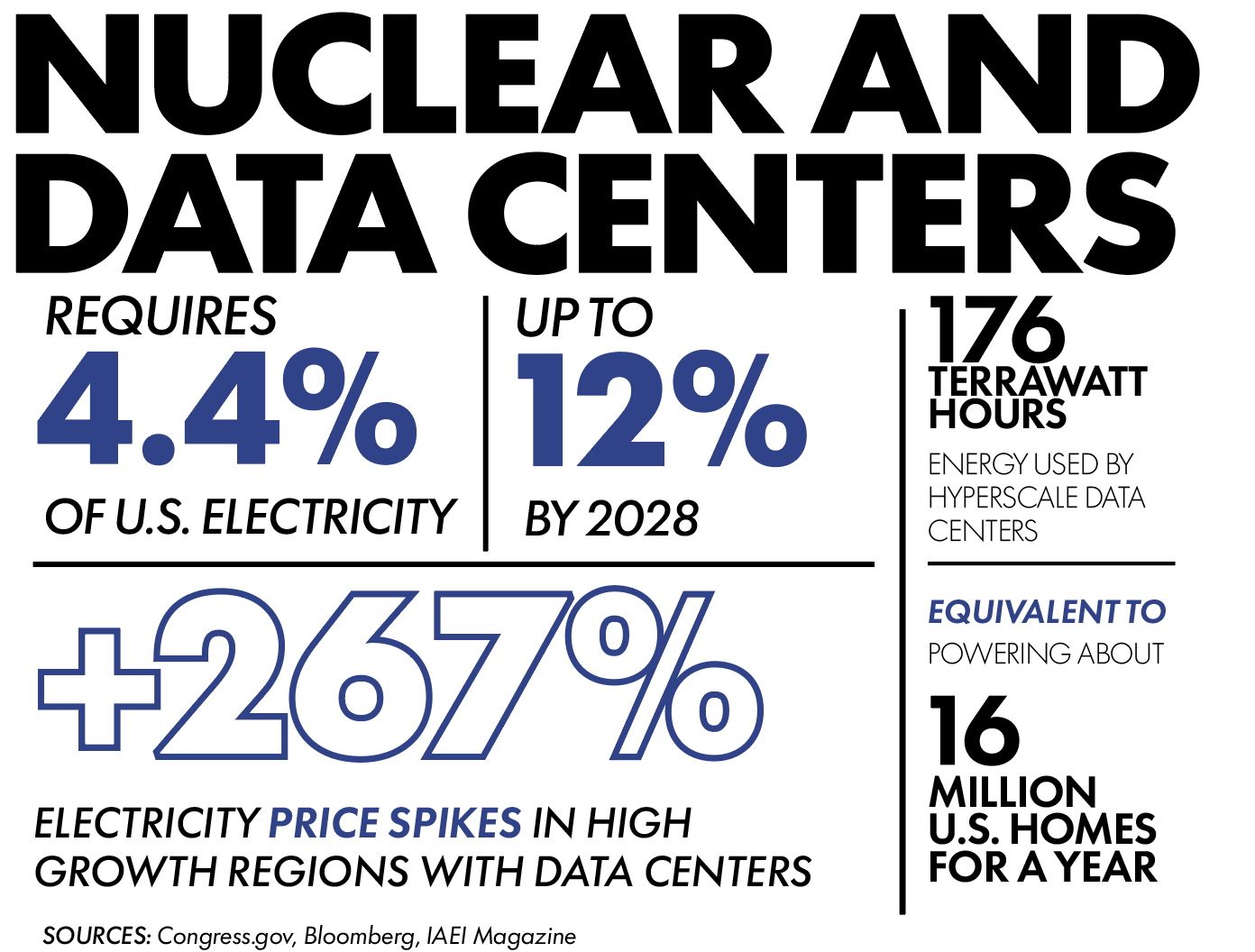
Although nuclear facilities and data centers are often discussed separately, they are closely linked. The question of how large-scale data centers will be powered and where that supporting infrastructure could be located has made nuclear energy one of several possibilities under consideration.
However, even as conversations continue around potential nuclear plants and data centers, the Tsis tsis’tas have been embroiled in its own political strife. In the last year, the tribe has been focused on internal governance challenges, where disputes over leadership and decision-making authority have taken precedence.
Missing the bigger picture
Internal tensions within the Northern Cheyenne tribal government escalated in early 2025 after a forensic audit examined the council’s use of $91.4 million in federal COVID-19 relief funds. President Gene Small raised concerns about the spending, and the conflict intensified after the council alleged he commissioned a $100,000 audit without consulting the tribal treasurer.
In September that year, eight of the 11 council members voted to remove Small from his presidency, citing that he had overstepped his authority. The following day, Small retaliated and announced that he revoked those same council members from their seats. Soon after, the Northern Cheyenne Council of Chiefs, a traditional governing body, stepped in and assumed authority of the tribal government with Small’s support.
Enlarge
Small would appoint additional council members, but the previously removed members continued to meet, saying they were still the tribe’s legitimate governing body. In early October, 2025, they were arrested on suspicion of trespassing and later charged in Northern Cheyenne Tribal Court with disrupting government operations.
In the months that followed the election of new council members, confusion over the tribe’s official leadership persisted. In April, a tribal court ruling allowed the previously removed council members to return to their offices, but shortly after, Small posted on Facebook a claim that the order is “legally baseless” and shut down the tribal office under an emergency administrative leave.
Despite the opposition, the council members met on April 20, saying it was an official council meeting, though the tribal court soon after paused its earlier order and assigned a new judge to review the case.
Some say these ongoing political changes have made it harder to focus on broader issues, including emerging discussions around energy development. State Rep. Jade Sooktis, a Democrat from Lame Deer, is one of those individuals, saying that the internal governmental disputes have caused the tribe to lose sight of the bigger picture.
“We’re not having great government-to-government relationships right now due to the conflict that’s happening in Northern Cheyenne,” Sooktis said. “We’re missing the bigger picture while we’re fighting with each other.”
But while broader issues emerge, Small said his focus remains on resolving the ongoing audit, though he is still learning about potential nuclear development in Colstrip and its impact on the reservation.
He also acknowledged the limits of how much control the tribe may have over what happens next.
“Nuclear [power] is probably going to happen now. I can see it,” Small said. “Are we going to sit and fight against everything that’s gonna happen and not get a damn thing out of it?”
‘We are going to pay with our land’
Enlarge
Crystal clear water spills from a pipe set into the landscape just nine miles east of Lame Deer. Tribal citizens gather around the spring, filling bottles and lifting the water to their lips.
Just further down the dirt road, children bound off of a small dock, faded with decades of use. The dock and cattails on the shore rocking as they hit the water. Pine trees on all sides of the lake stand right up to the bank, shielding the recreation spot from view.
For those who live on the Northern Cheyenne reservation, water is something gathered, swam in and used in ceremonies, making the new warnings about rising industrial demand feel especially immediate.
According to the Environmental and Energy Study Institute, large data centers can use up to 5 million gallons of water per day, about the same as a town of up to 50,000 people. Nuclear power plants also rely on large amounts of water for cooling, either by withdrawing water from nearby sources or consuming it through evaporation in cooling towers, according to the World Nuclear Association.
For those like Jeanie Alderson, a sixth-generation rancher, water rights and access play a large role in their livelihood. Alderson and her sisters inherited the working cattle ranch in Birney after their father passed away in 1993. Called the Bones Brothers Ranch, it was first homesteaded in the late 1880s and has passed through the family ever since.
“Our whole world is grass and taking care of it. That’s what my dad would say, the cows are the vehicle, but our life and our world is grass,” Alderson said.
On a day-to-day basis, she relies on about a dozen natural springs for her cattle. In an already dry area, Alderson worries the water supply could be targeted by larger corporations in the future.
In 2025, Montana passed a law allowing short-term leasing and transfer of water rights. Alderson said the change could allow ranchers to lease water to large companies, including those operating data centers, where lease payment could exceed what they earn from agriculture.
Enlarge
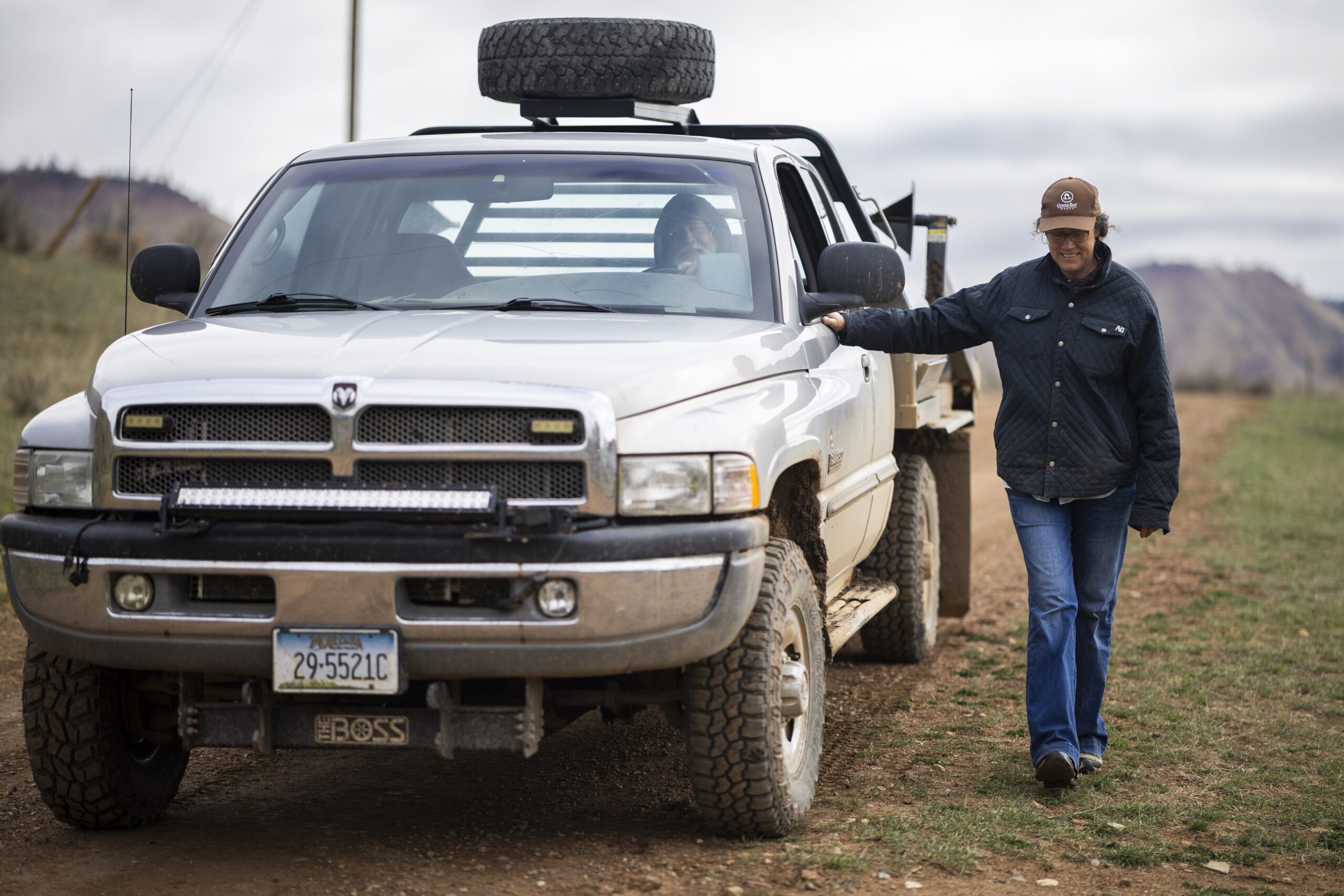
“I can’t raise cattle without grass and water, and I can’t do it without my neighbors,” Alderson said.
In addition to water, there have been several studies that found powering AI data centers can generate air pollutants like fine particulate matter and nitrogen oxides, which have been associated with increased risks of asthma and cardiovascular issues, according to the Institute of Electrical and Electronics Engineers Spectrum.
Nuclear energy also raises environmental concerns through highly radioactive waste, which is stored for thousands of years. With no permanent store site in the United States, most waste remains at or near plant locations where experts warn it could pose risks to water, soil, livestock and human health if contamination occurs.
Beyond concerns about nuclear and data center development, Alderson said climate change has already affected her ranch, pointing to recent wildfires in southeastern Montana, including the 2024 Remington Fire, which burned nearly 200,000 acres.
Those experiences, she said, shape how she views the pressures of future development in the region.
Enlarge
Planning in the dark
The door for nuclear power first opened after a voter initiative, originally passed in 1978, was repealed in 2021. This initiative required a public vote for any nuclear power plants built in the state. After that, the 2025 Montana Legislative session signed two bills into law in May allowing for nuclear facilities and storage.
Enlarge

The first allows the state to approve certain nuclear facilities, including uranium conversion and enrichment plants, if they meet state environmental standards and receive federal approval. The second addresses the potential storage of high-level nuclear waste in Montana, including near tribal lands.
While these bills do not automatically authorize either construction of nuclear power plants or nuclear waste storage facilities, it gives the Legislature the authority to permit such projects if they meet specific requirements.
Enlarge
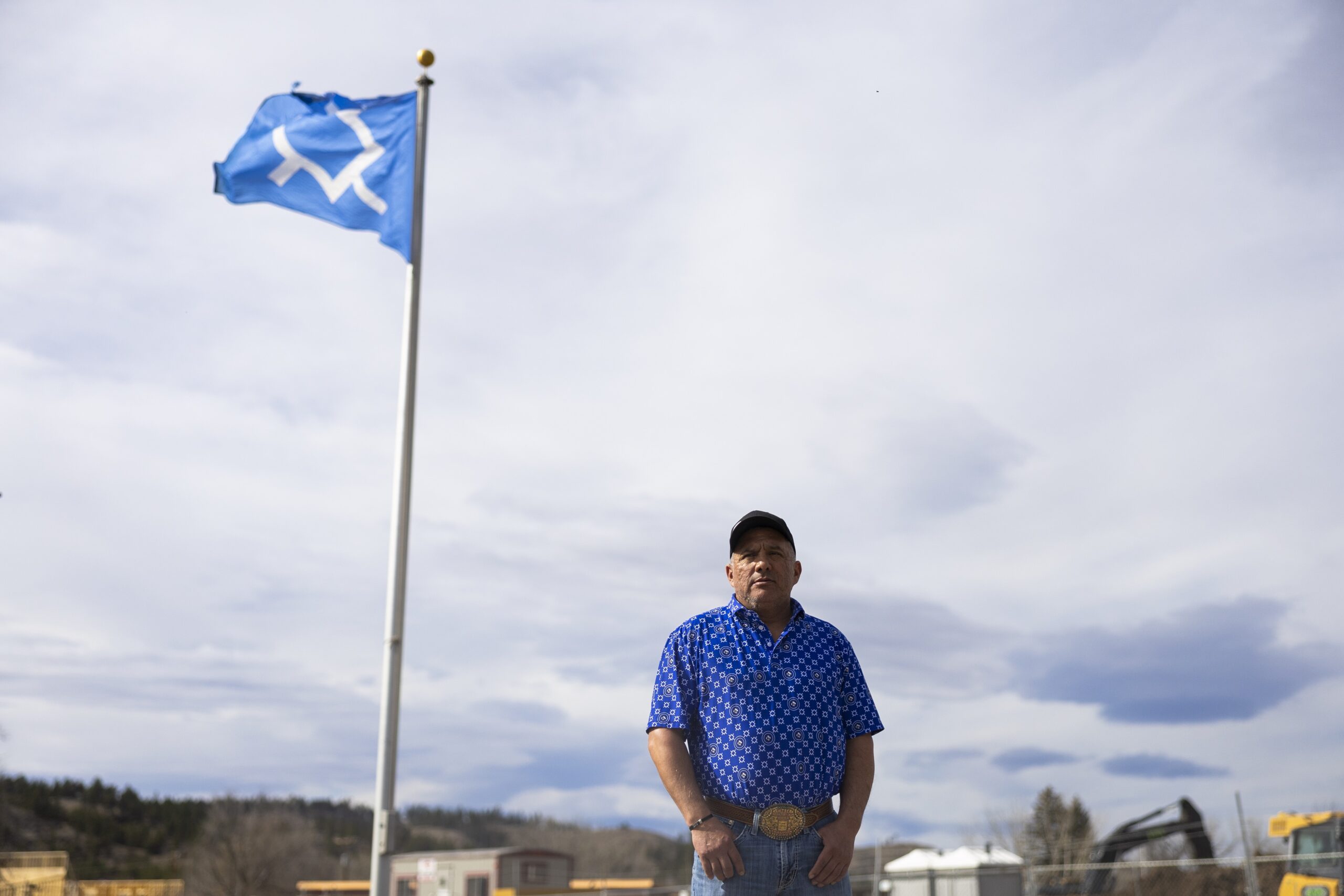
Rep. Sooktis introduced an amendment in the legislative bill that would have required approval from local voters and nearby tribal governments before nuclear facilities could be sited, but it was later removed during Senate voting.
“Even though we have the ability and capability to approve these bills and pass laws, I really believe that something that big needs to be discussed within the community,” Sooktis said. “Tribal consultation and voter consultation should be the most important priority when bringing something that major to the community.”
Montana lawmakers, led by Rep. Gary Perry, a Republican from Colstrip, introduced both bills to prepare the state to host nuclear-related facilities, citing concern about the decline in power, especially at the Colstrip plant.
Companies like NorthWestern Energy have shown interest in the nuclear project at Colstrip, taking official ownership of 592 megawatts of the plant earlier this year. While this reinforces coal’s role in the short term, the prospect of future nuclear energy has raised concerns among some tribal citizens and environmental groups on the reservation.
Enlarge
“Current timelines indicate that the first wave of commercially viable [small modular reactors] could begin operation in the early-to-mid 2030s, with broader deployment potential extending into the 2035–2045 period,” NorthWestern Energy wrote in its 2026 draft Integrated Resource Plan.
As part of Trump’s executive orders last year, federal efforts from the Nuclear Regulatory Commission are working to accelerate reactor development by changing several guiding principles of nuclear safety. One example is the “As Low As Reasonably Achievable” principle, which has historically required radiation exposure to be kept well below legal limits. Critics say loosening these standards could reduce shielding requirements and allow longer worker shifts, lowering costs for developers.
Advocates say this fast tracking of nuclear proposals and safety measures are fueled, in part, by the emergence of data centers. Montana Environmental Information Center’s Campaigns and Advocacy Director Shannon James said that advocates know about two proposed hyper-scale data centers in Montana, one in Butte and the other in Broadview. She said they heard about potentially 11 others, but much of the information is not available.
“We know very little about what kind of backdoor deals we’re making with these guys,” James said. “Communities deserve to know what conversations are happening for these data centers that could have major impacts on their energy bills, their water resources and their community at large.”
One of the areas lacking transparency, James said, is the power agreements NorthWestern Energy signed with Quantica Infrastructure to provide up to 1,000 megawatts of energy. Quantica is the company behind the 5,000-acre proposed data center near Broadview, Montana, though it is unclear whether the agreement applies to that specific project.
Reporting by the Montana Free Press found meeting that level of demand could require nearly all of the electricity NorthWestern Energy currently produces. There is no confirmed link between the proposed nuclear facilities in Colstrip and the Broadview data center, but the scale of demand raised questions about how that power would be supplied.
Enlarge
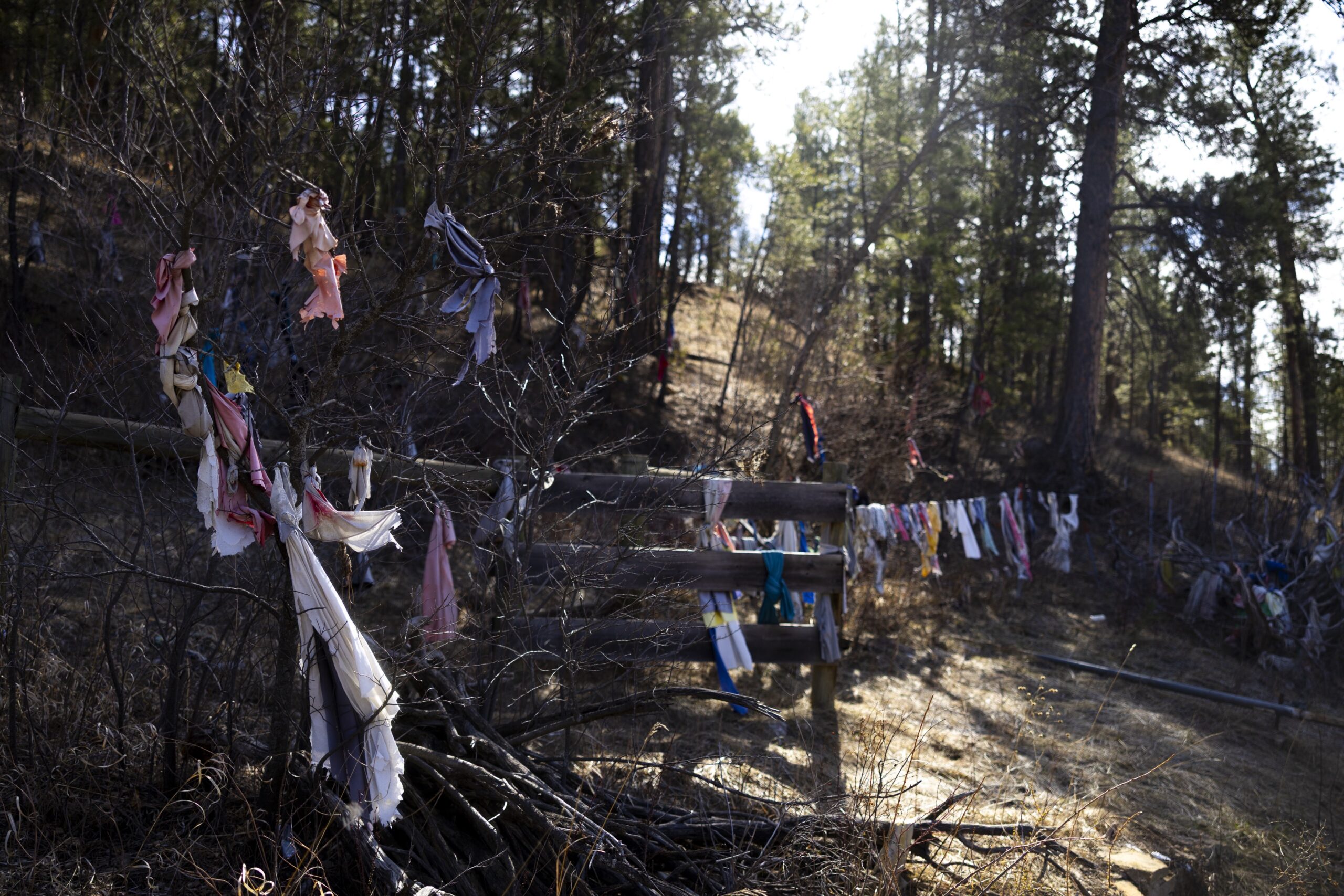
Much of that planning remains out of public view. In 2024, the Montana Public Service Commission granted NorthWestern Energy a protective order shielding key documents related to potential data center power agreements. Environmental and consumer advocacy groups are now challenging that decision in court.
“They are able to hide a lot of information from public view and some of the information that is publicly available is almost completely redacted,” James said.
Honor the Earth has raised concerns about nondisclosure agreements signed by tribal leaders related to data center discussions.
Two Bulls said many data center proposals highlight dozens of jobs in an effort to offset community concerns and secure approval from local leaders. However, the majority of those jobs are temporary positions, lasting only until the completion of the data center construction. In Abilene, Texas, construction on OpenAI’s Stargate data center began in February 2025. The project employs about 1,500 workers during construction but is expected to retain only 100 full-time jobs after completion, according to the city’s economic development agency.
Two Bulls said that many tribal leaders will look at this proposed opportunity and sign nondisclosure agreements, which legally bind a confidential relationship between the parties, protecting sensitive information from being disclosed to the public.
Enlarge
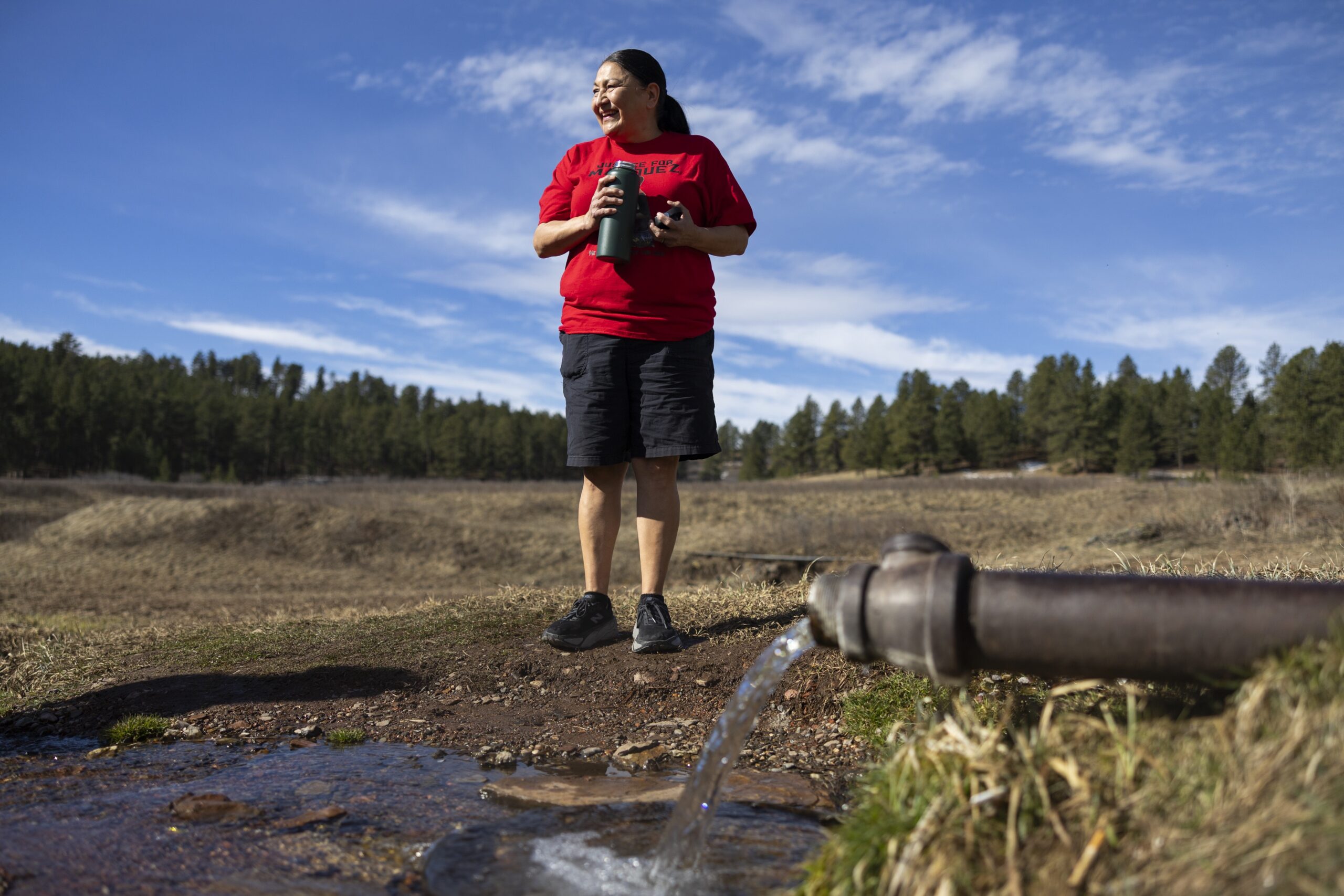
“These corporations are coming in, they sit down with our tribal council reps, and then the very first thing that they do is they set down a [nondisclosure agreement]. Even if just one person signs that, a lot of times it applies to the whole tribal council,” Two Bulls said.
She said this is particularly problematic when the local leaders can’t talk to the people who voted them into their positions about the agreements and what the companies are wanting to do, making it difficult for the communities to truly understand the situation.
Sooktis shares the same concerns in the Northern Cheyenne tribal government.
“It just doesn’t sit right with me at all that you would do something that major without consulting your constituents,” Sooktis said. “I am very, very concerned about the future of the land and the pure resources we have available now.”
Sooktis said, growing up on the reservation, she has always had access to abundant natural resources, but now worries about what that could look like in the future with the lack of transparency on recent developments.
Enlarge

‘To have and to hold’
Outside of formal organizations like Honor the Earth, individual tribal citizens like Alderson have also stepped in, aiming to protect the land passed down through her family. She said her experience is reminiscent of her parents, fighting a wave of coal and railroad development projects in 1971.
When she was about 5 years old, she remembers an archaeologist visiting their ranch to look at teepee rings, alerting her parents of the upcoming land development. After that, her parents attended a meeting in Colstrip called the North Central Power Study.
Enlarge
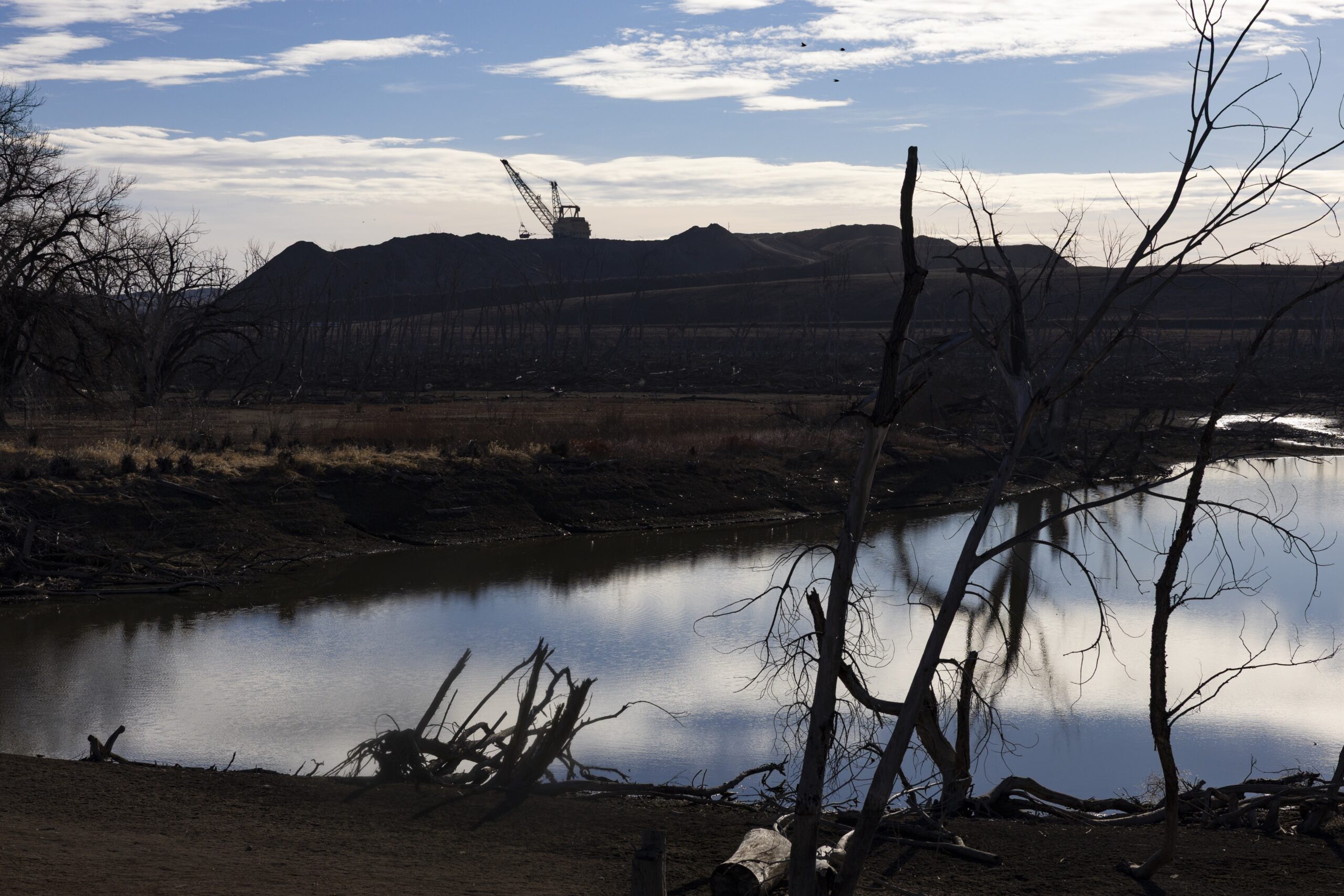
“At that meeting, my mom said they watched a slideshow and this blonde hair child bounding through this monoculture of something and the narrator says, ‘This is what reclamation will do to your dry, useless land,’” Alderson said. “‘It’s your patriotic duty to give up your land and water.’”
Alderson said she continues to fight because she worries for the future of the ranch and being able to hand it off to her sons.
“I would love my boys to come back and to carry this on, but they look at us, worn out,” Alderson said. “It’s also where we go for solace, for rest, for making sense of the world.”
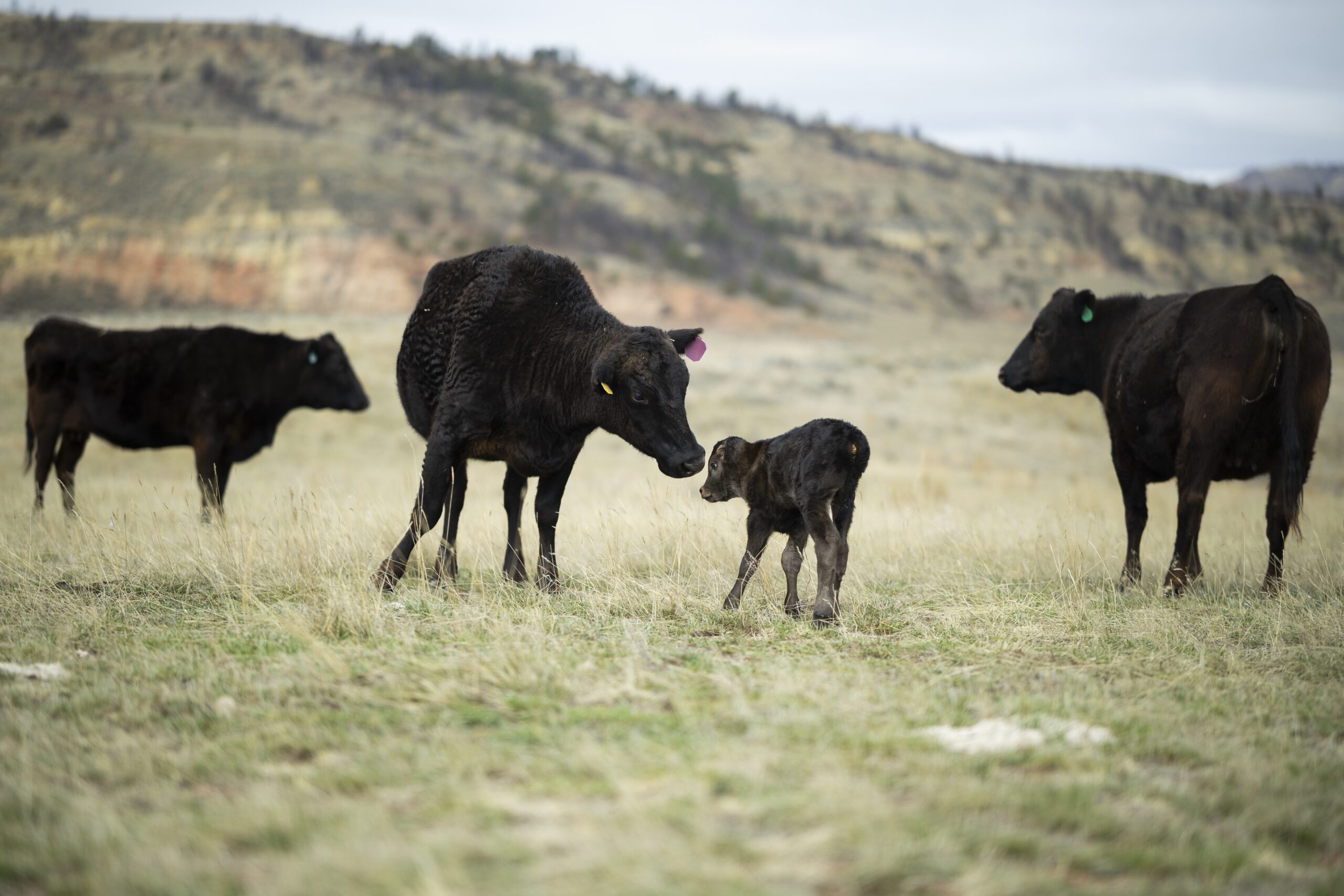
Alderson follows a narrow dirt path worn by repeated trips, grass brushing her ankles as she climbs the hillside. Her black Wagyu cows, heavy with calves, lift their heads as she passes, calm and steady as she checks on them during calving season.
In the distance, she spots a small black shape in the grass, a newborn calf. It stirs as she approaches, slowly lifting itself with unsteady effort, its legs too long for its small body.
Alderson pauses, watching quietly as it finds its balance and takes its first steps.
Enlarge
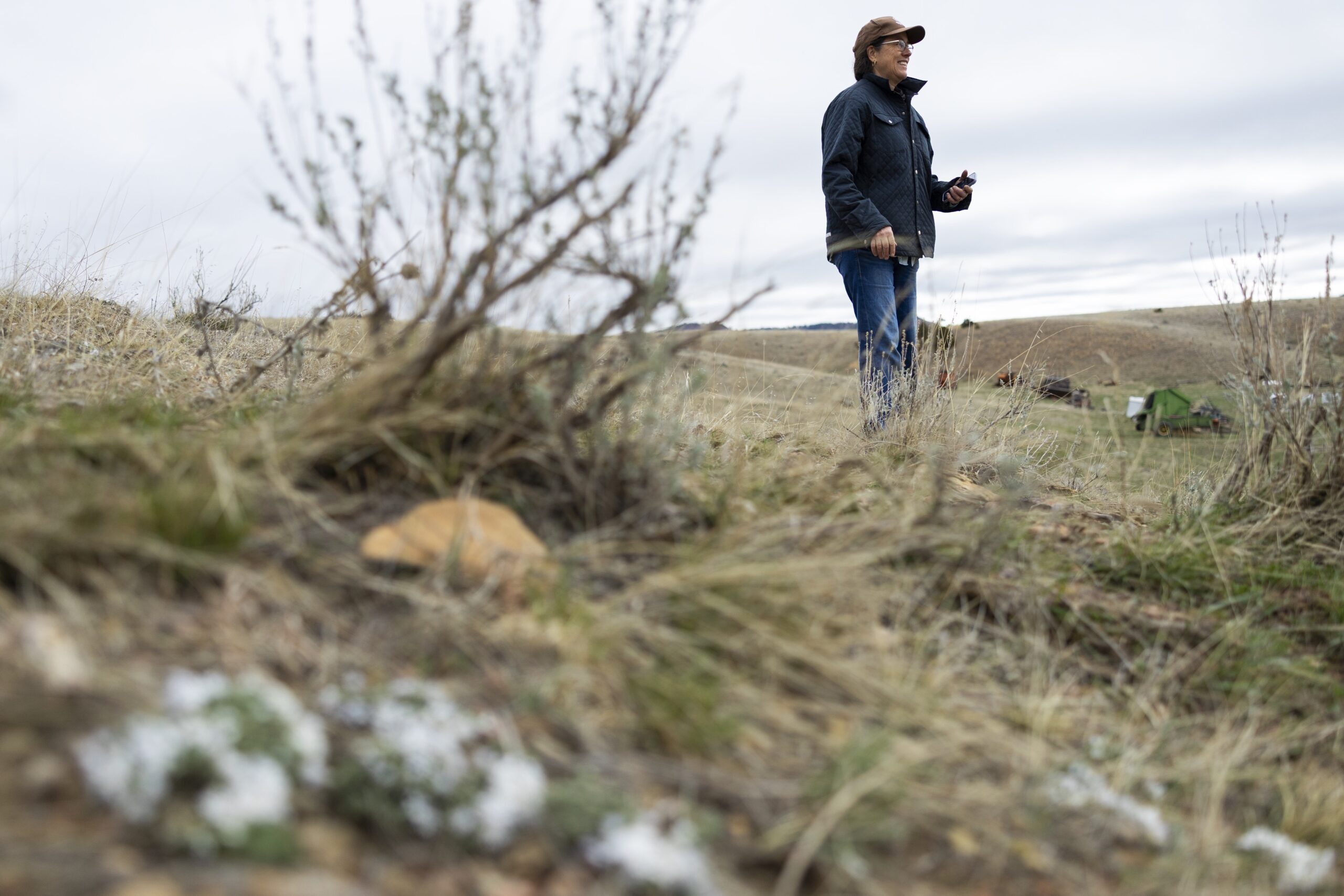
On the hillside, she takes in her ranch below for a moment, seeing the rest of her 85 cattle in a distant pasture and her home that has been refined over generations.
She’s grateful for what she and her family has built here, but the feeling does not quite settle. Beneath it, she can’t shake the unease about whether the land or the life on it will remain unchanged.
“Dad used to always say, ‘Jeanie, the early, early titles of our land read like a marriage license: This is yours to have and to hold,’” Alderson said. “That’s very much what has passed onto me is this is a covenant, this is a responsibility and it’s really weighty because my dad’s thing was you leave it in better shape than when it came.”
Across the Northern Cheyenne reservation and neighboring communities, that sense of responsibility is now shaping how residents respond to new proposals for nuclear development and data centers.
Increasingly, many say it is time to move beyond internal disputes and focus on the future health of the reservation.
Enlarge
A SPECIAL PROJECT BY THE UNIVERSITY OF MONTANA SCHOOL OF JOURNALISM
ADDITIONAL FUNDING SUPPORT FROM THE GREATER MONTANA FOUNDATION
READ MORE:
Previous
Forging a future after coal